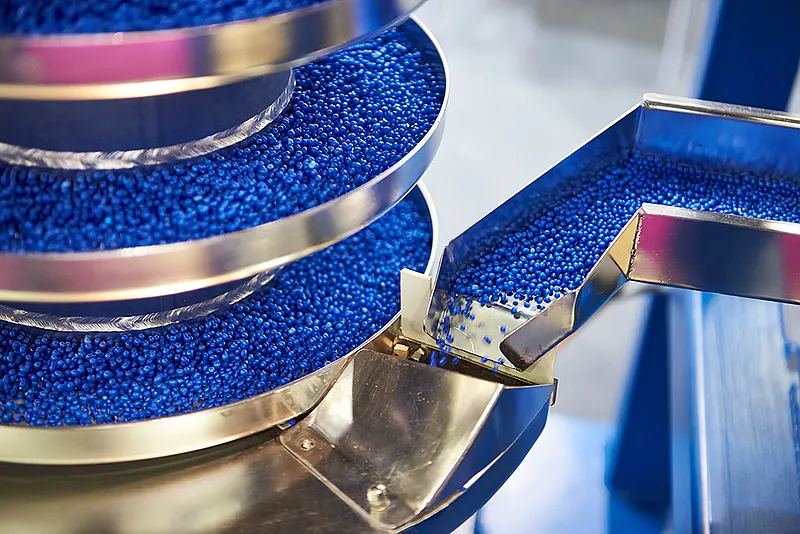
Advantages of Plastic Dryers with E+E Sensors
Plastic dryers depend on stable dew point values to keep drying quality under control. If the sensor drifts, the dryer may appear to supply dry air even though the actual moisture level has changed. This can lead to inconsistent product quality, unnecessarily large safety margins or delayed fault detection.
E+E dew point sensors are designed to deliver stable measurements throughout their service life. Auto-calibration concepts, robust capacitive sensing elements and high repeatability help reduce uncertainty caused by drift. This gives dryer OEMs and plastics processors a reliable basis for dryer control, quality assurance and maintenance planning.

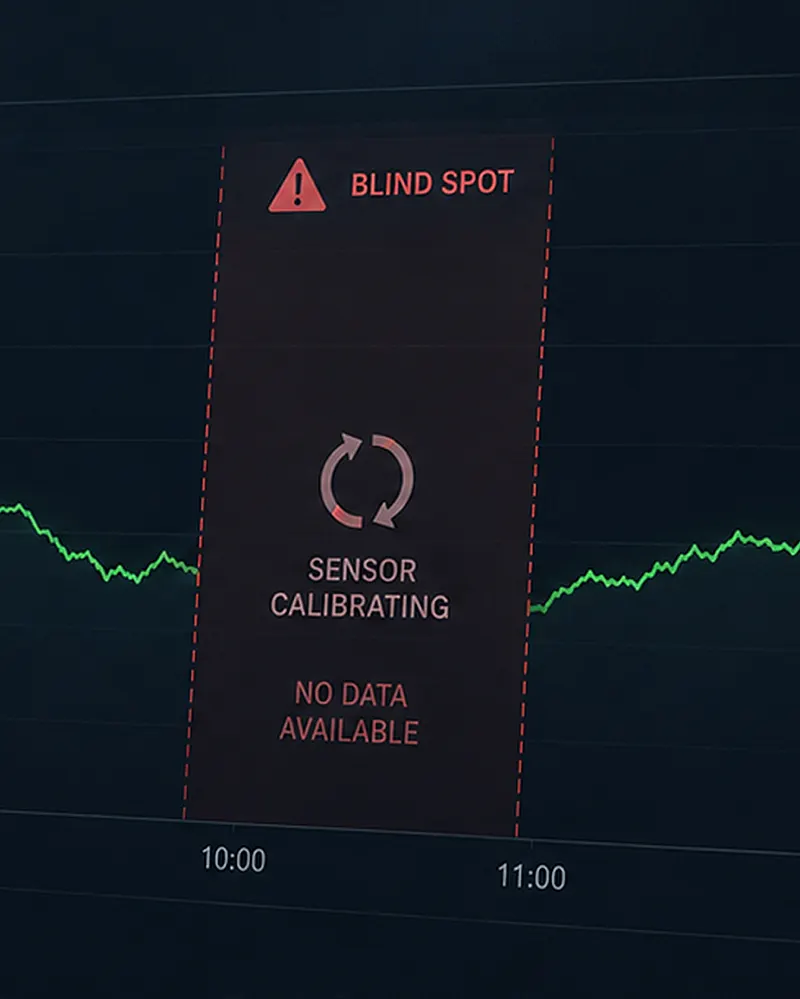
Plastics drying conditions can change during material changes, start-up, fluctuating moisture loads or regeneration cycles. If the dew point signal freezes during auto-calibration, the dryer control may miss the actual process condition. This is particularly critical when dew point is used for alarms, dryer validation or energy-efficient control.
The TDS501 provides continuous dew point measurement without signal freezing. Its four-element measuring method enables auto-calibration while retaining process visibility. This allows operators and OEMs to see the actual drying conditions around the clock and avoid blind spots in demanding low dew point applications.
A rising dew point can indicate saturated desiccant, insufficient regeneration, leaks, filter problems, oil carryover or changing material moisture. Fast feedback helps identify these issues before defective products accumulate or production becomes unstable.
E+E sensors turn dew point into a usable control signal for plastics drying. Filter concepts can be selected to balance protection and response time. Compact inline installation places the measuring point close to the dryer outlet, return air or regeneration circuit. Digital interfaces such as Modbus RTU make the signal available for dryer controls, alarm systems and trend monitoring.
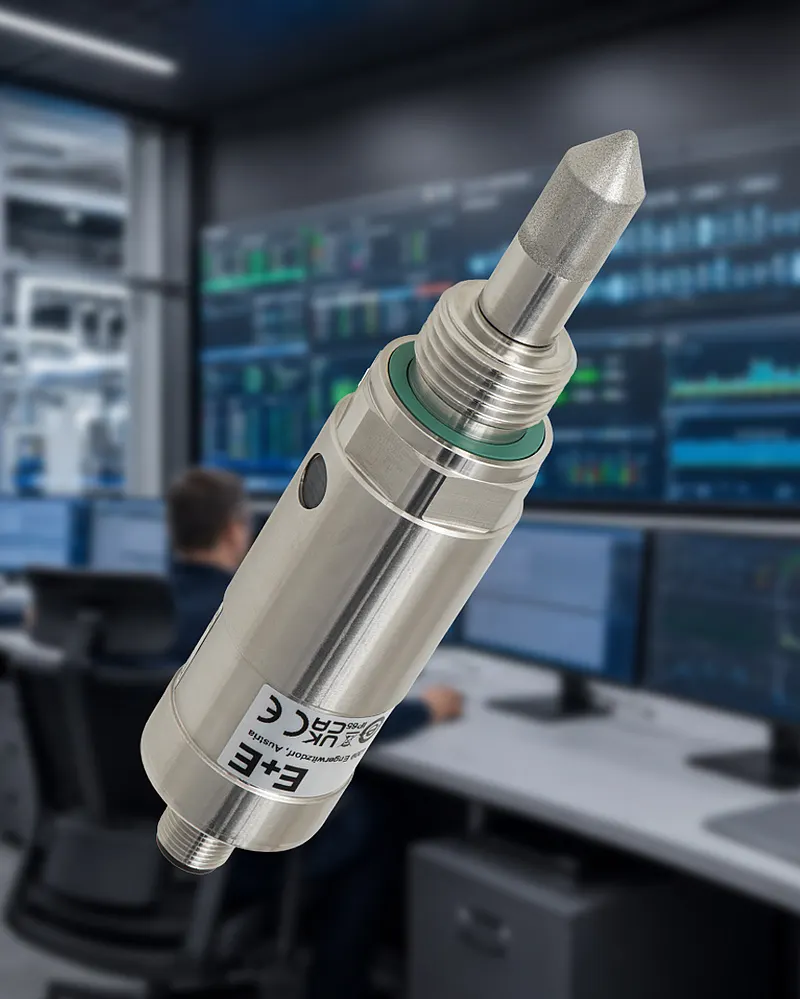
In plastics drying applications, sensors can be exposed to dry air, compressed air, elevated ambient temperatures, particles, traces of oil, temporary condensation and continuous machine operation. A robust design is therefore essential for high system availability and low maintenance requirements.
E+E Elektronik combines stainless steel enclosures, pressure-tight installation, robust sensing elements and application-specific filter concepts. With its stainless steel construction, IP65 protection, configurable filter options and pressure resistance up to 80 bar, the TDS501 is suitable for demanding low dew point applications. The EE355 adds a compact stainless steel solution for plastic dryers, compressed air systems and industrial drying processes down to −60 °C Td. It is particularly suitable for OEM dryer platforms where installation space, integration effort and long-term reliability are important.
Products for Plastic Dryers
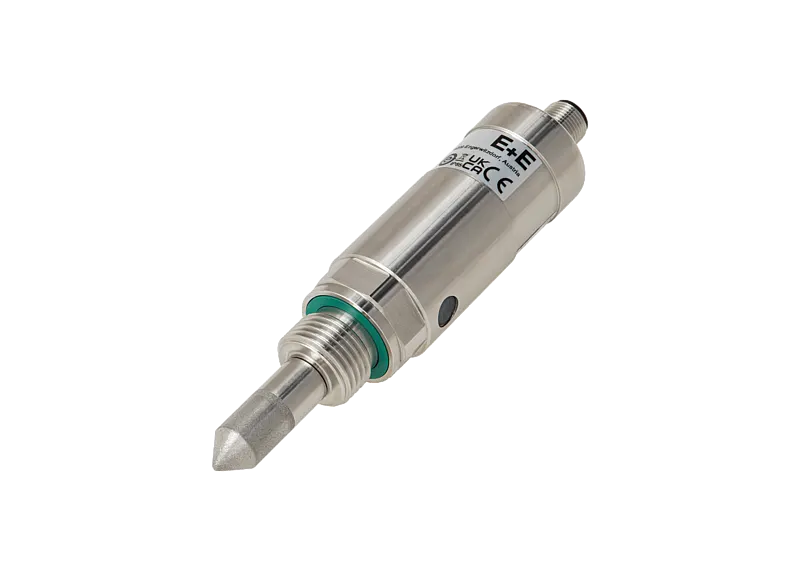
TDS501
Dew Point Sensor down to -70 °C Td (-94 °F Td)
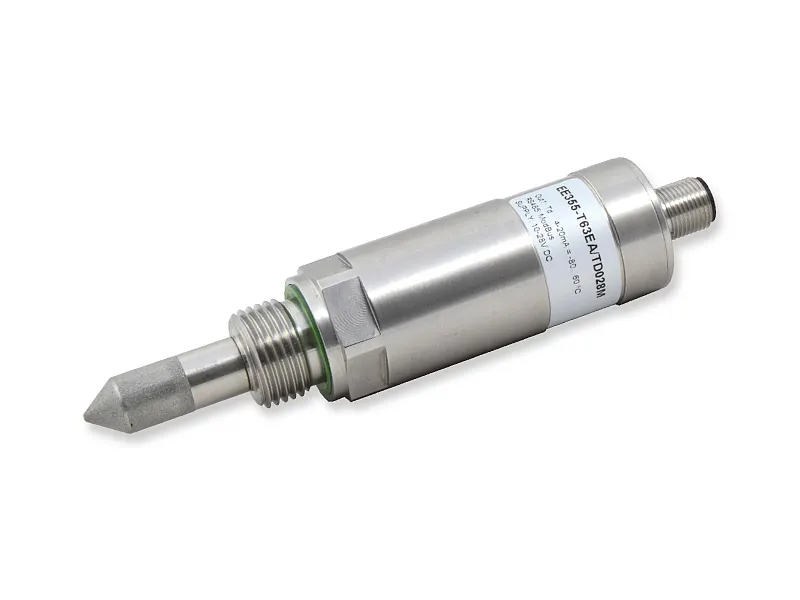
EE355
Dew Point Sensor down to -60 °C Td (-76 °F Td)
- down to −60 °C Td (−76 °F)
- -40 to 70°C (-40 to +158°F)
- up to 80 bar (1,160 psi)
- RS485 (Modbus RTU)
- stainless-steel housing
- IP65 protection
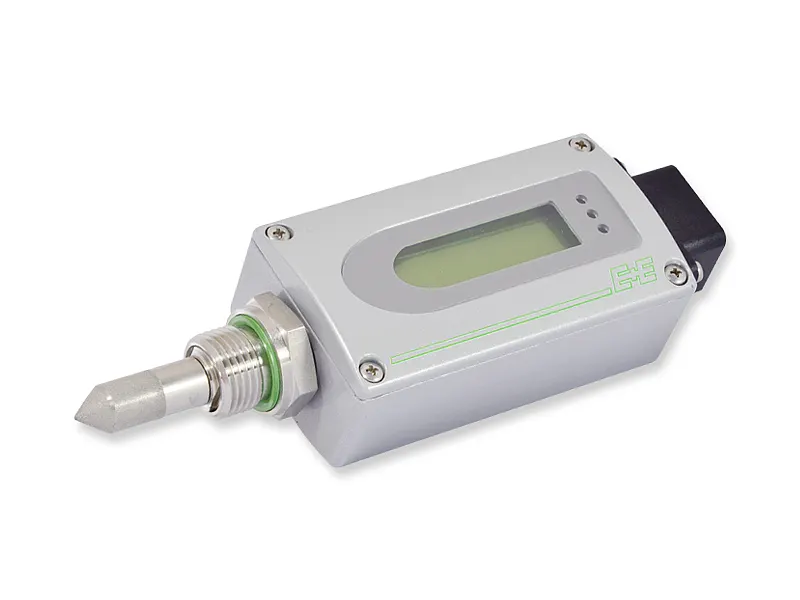
EE371
Compact Dew Point Sensor
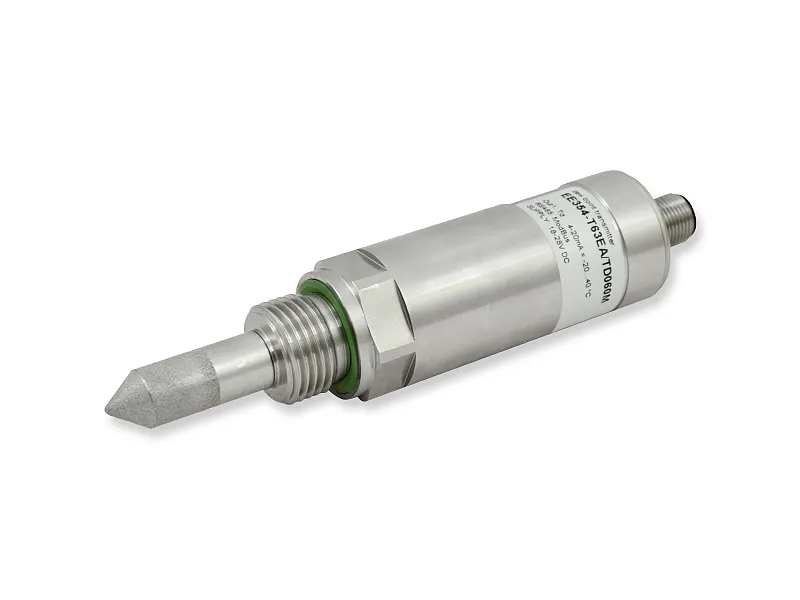
EE354
Dew Point Sensor down to -20 °C Td (-4 °F Td)
- dew point down to –20 °C Td (–4 °F Td)
- –20 to +50 °C Td (–4 to +122 °F Td)
- RS485 (Modbus RTU)
- up to 80 bar (1,160 psi)
- stainless-steel housing
- IP65 / NEMA 4X
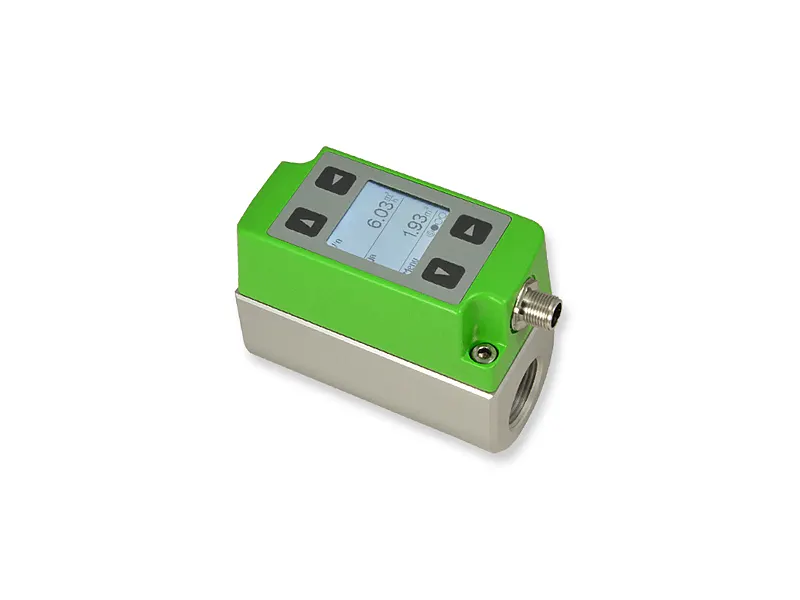
EE741
Inline Flow Sensor for Compressed Air and Gases
- O₂, N₂, Ar or CO₂ in DN15 to DN50 pipes
- 7 bar (102 psi)
- Modbus RTU / M-Bus / IO-Link
- E+E hot film sensing element
- Robust design in stainless steel
Questions about Plastic Dryers?
Tell us about your application – we’ll recommend a suitable sensor or calibration solution tailored to your needs.