Case Study: Relative Humidity for Indoor Farming
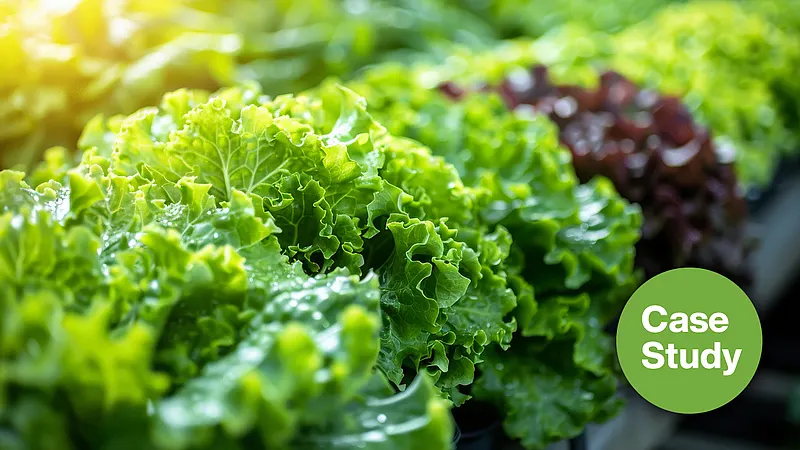
How Relative Humidity Affects Indoor Farming Performance
In controlled-environment agriculture, even small climate fluctuations can lead to major differences in plant quality, consistency, and yield. One of the most overlooked challenges in modern indoor farming is the rapid change in relative humidity that occurs when grow lights switch on and off.
This in-depth case study explores why these humidity spikes happen, how they affect plant development, and what growers can do to create a more stable cultivation environment.
Whether you operate a vertical farm, greenhouse, or controlled grow chamber, understanding the relationship between humidity, temperature, lighting, and airflow is critical for achieving predictable results and maximizing production efficiency.
Download Case Study
What You’ll Learn in This Case Study
- Why relative humidity rapidly changes during lighting cycles
- The hidden relationship between LED lighting and environmental stability
- How unexpected heat sources influence indoor farming conditions
- The impact of humidity fluctuations on crop health and yield
- Warning signs that indicate climate instability in your grow room
- Best practices for monitoring environmental conditions with precision sensors
- How to improve consistency in indoor agriculture systems